The Ultimate Guide to Implementing a Responsible Supply Chain through Standardization
In today's globalized and interconnected world, supply chains play a crucial role in the success of businesses. However, maintaining a responsible and sustainable supply chain can be challenging, given the complex nature of modern businesses and the need to satisfy various stakeholders. One effective approach to achieving a responsible supply chain is through standardization. In this comprehensive guide, we will demystify supply chain standardization and explore how it can be implemented to create a more responsible and efficient supply chain.
Demystifying Supply Chain Standardization
Supply chain standardization refers to the process of developing and implementing uniform practices, procedures, and specifications across the entire supply chain of an organization. By standardizing various aspects of the supply chain, businesses can streamline operations, improve efficiency, reduce costs, and ensure compliance with ethical and environmental standards.
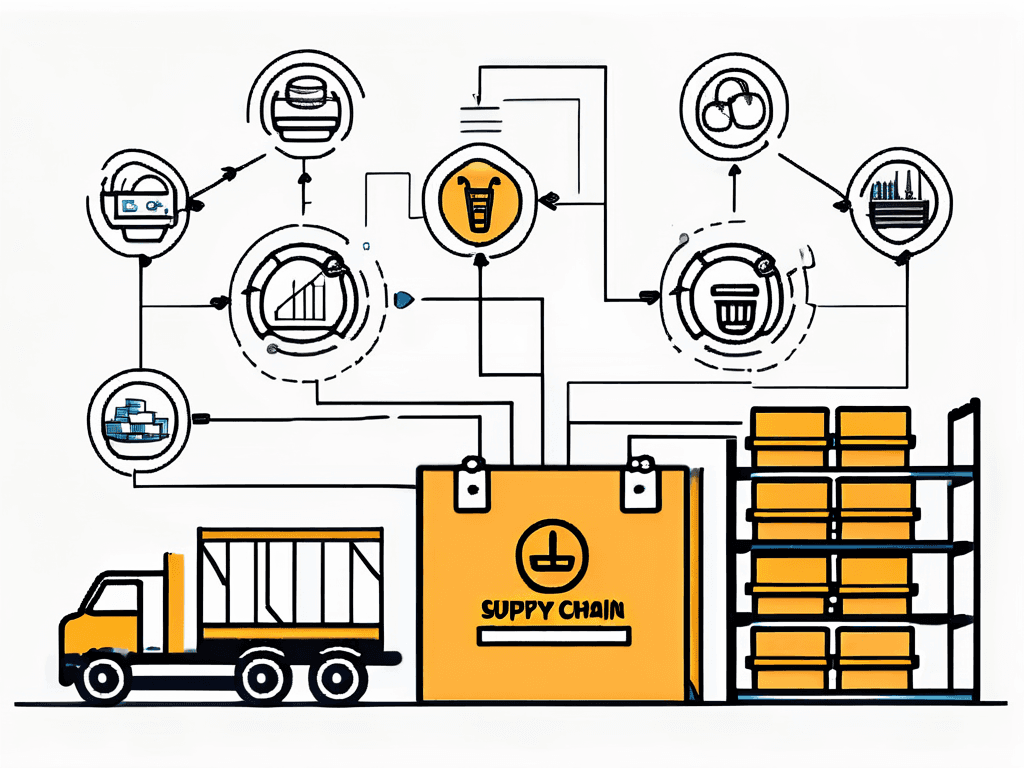
The Importance of Standardization in Supply Chain Management
Standardization plays a crucial role in supply chain management by providing a framework for consistency and predictability. It enables businesses to establish clear guidelines and expectations for suppliers, manufacturers, distributors, and other partners involved in the supply chain. This not only facilitates smoother operations but also enhances transparency and accountability, which are important factors in building a responsible supply chain.
Key Benefits of Implementing Supply Chain Standardization
Implementing supply chain standardization offers numerous benefits for businesses striving to create a responsible supply chain. Some key benefits include:
- Enhanced efficiency: Standardizing processes and procedures allows for faster and more efficient operations, minimizing delays and reducing costs.
- Improved quality control: By establishing standardized quality benchmarks, businesses can ensure consistent product quality and customer satisfaction.
- Better risk management: Standardization enables businesses to identify and address potential risks within the supply chain proactively, minimizing disruptions and crises.
- Increased transparency: Standardization promotes transparency and accountability, making it easier to trace the origin of products, verify compliance with regulations, and identify opportunities for improvement.
- Environmental and social responsibility: By establishing responsible standards, businesses can ensure that their supply chains prioritize sustainability, fair labor practices, and ethical sourcing.
Common Challenges in Achieving Supply Chain Standardization
While supply chain standardization offers significant benefits, it is not without its challenges. Some common challenges businesses may face when implementing supply chain standardization include:
- Resistance to change: Implementing standardization requires buy-in and cooperation from various stakeholders, which can be challenging to achieve.
- Complexity and diversity: Supply chains often involve multiple partners, each with their own processes and systems. Aligning these diverse practices can be complex and time-consuming.
- Cost implications: Implementing standardized processes may require investments in technology, training, and infrastructure, which can pose financial challenges.
- Legal and regulatory compliance: Achieving standardization while ensuring compliance with local, national, and international regulations can be a complex balancing act.
Despite these challenges, businesses recognize the importance of supply chain standardization in achieving operational excellence and sustainability. By overcoming these hurdles, organizations can unlock the full potential of their supply chains, driving growth and creating a positive impact on society and the environment.
One of the key factors in successfully implementing supply chain standardization is effective communication and collaboration among all stakeholders. This involves fostering open lines of communication, sharing best practices, and aligning goals and objectives. By creating a culture of collaboration, businesses can overcome resistance to change and ensure that everyone is working towards a common goal.
A Comprehensive Overview of Supply Chain Standardization
Now that we have explored the significance and benefits of supply chain standardization, let's delve deeper into the key components and best practices for successful implementation.
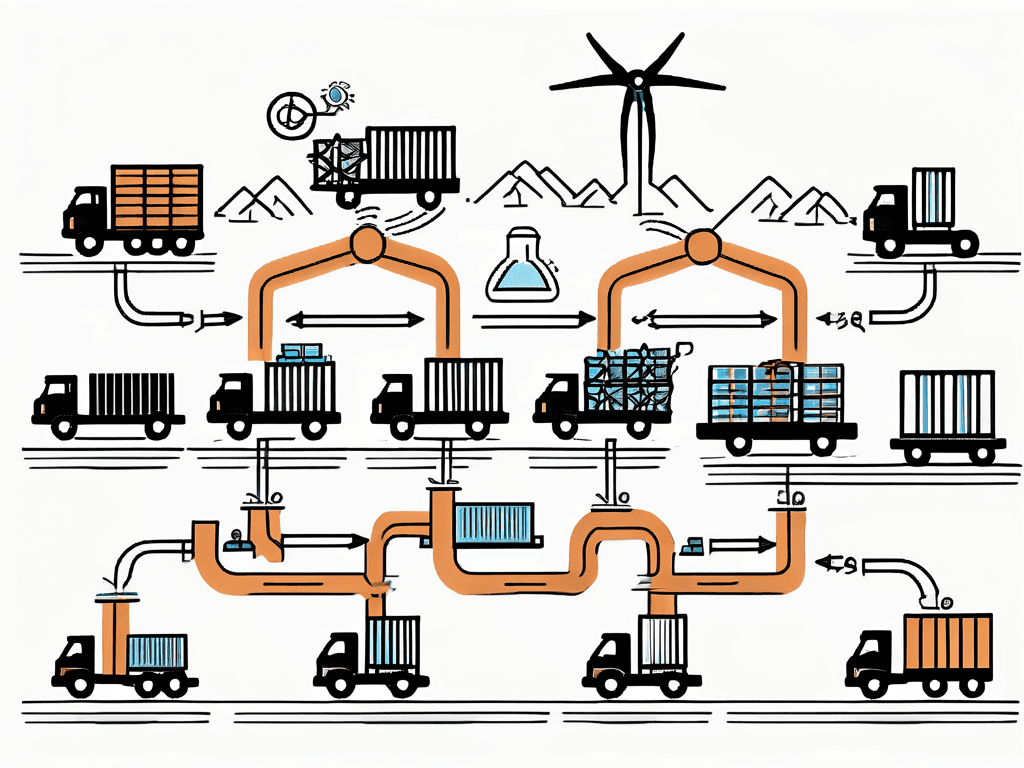
Understanding the Role of Standards in Supply Chain Operations
Standards serve as the backbone of supply chain operations, providing a common language and framework for conducting business. They define the rules, specifications, and requirements that govern various aspects of the supply chain, such as product specifications, quality control, packaging, labeling, and transportation.
In supply chain management, standards are developed by industry associations, regulatory bodies, and international organizations such as ISO (International Organization for Standardization). These standards take into account best practices, industry-specific requirements, and emerging trends.
Furthermore, standards play a crucial role in ensuring interoperability and compatibility between different supply chain partners. By adhering to standardized processes and procedures, organizations can seamlessly collaborate and exchange information, leading to improved efficiency and reduced errors.
Best Practices for Successful Supply Chain Standardization
Implementing supply chain standardization requires a systematic approach and a clear implementation plan. Here are some best practices to consider:
- Clearly define objectives and scope: Before embarking on standardization, businesses must clearly define their goals, objectives, and the scope of standardization efforts.
- Engage stakeholders: Involving key stakeholders, including suppliers, employees, customers, and regulatory bodies, is crucial for successful standardization. Engaging stakeholders early in the process helps build consensus and ensures widespread adoption.
- Align with industry standards: Leveraging existing industry-specific standards can accelerate the standardization process, as they provide proven frameworks and guidelines.
- Develop standardized practices and procedures: Documenting and communicating standardized practices and procedures is essential for consistency and replicability across the supply chain.
- Invest in technology and training: Deploying digital tools and providing training for employees and partners can help facilitate the adoption of standardized processes and enhance efficiency.
By following these best practices, organizations can establish a solid foundation for successful supply chain standardization, leading to improved collaboration, streamlined processes, and enhanced customer satisfaction.
The Future of Supply Chain Standardization
The field of supply chain standardization is rapidly evolving, driven by advancements in technology, changing consumer expectations, and heightened awareness of social and environmental issues. In the future, we can expect to see further integration of emerging technologies, such as blockchain and artificial intelligence, to enhance supply chain transparency, traceability, and efficiency.
For instance, blockchain technology can enable secure and transparent transactions, ensuring the authenticity and integrity of supply chain data. Artificial intelligence, on the other hand, can analyze vast amounts of data to identify patterns and optimize supply chain processes, leading to improved forecasting, inventory management, and demand planning.
Additionally, supply chain standardization will continue to play a vital role in addressing global challenges, such as climate change, labor rights, and responsible sourcing. By implementing standardized practices that promote sustainability and ethical business practices, organizations can contribute to a more sustainable and responsible supply chain ecosystem.
By implementing a responsible supply chain through standardization, businesses can not only enhance their operational efficiency and reduce costs but also demonstrate their commitment to sustainability, social responsibility, and ethical business practices. Embracing standardization as a guiding principle can pave the way for a more responsible and resilient supply chain, ensuring long-term success and positive impact.
Take the Next Step Towards a Responsible Supply Chain with Responsibly
Understanding the sustainability of your supply chain is paramount in today's business landscape. With Responsibly, you can gain in-depth insights into your suppliers' sustainability practices across critical topics, from human rights to decarbonization. Our AI-driven platform simplifies due diligence, offering personalized engagement and comprehensive risk assessments tailored to each supplier's industry and location. Ready to enhance your sustainable procurement, risk management, and ESG reporting? Book a demo today and discover how you can transform your supply chain into a model of responsibility and efficiency.