COMPLIANCE

Get your supply chain compliant

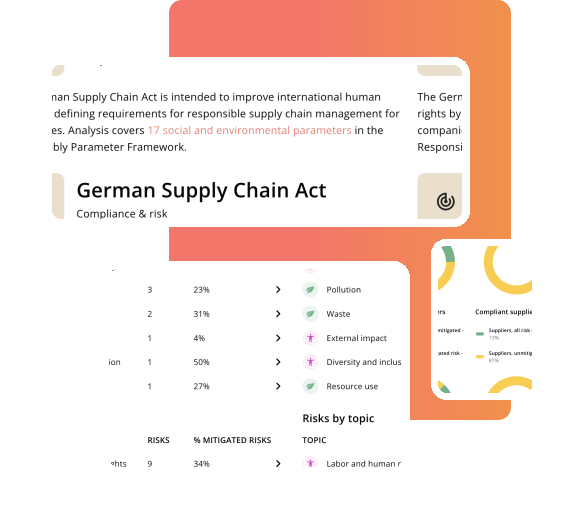
Responsibly is dynamically set up to address different sustainability compliance legislations that involve the supply chain. Our system is coded to understand the scope of each of them, and the nuances in how different sets of data helps with compliance.

We've had the solution audited by a leading legal provider to ensure the solution is fully aligned with the legislation.
Compliance
Manage compliance holistically
Solution verified by legal advisors
Automated risk and mitigation analysis

LEGISLATIONS

Identify your compliance needs

>13 dynamic legislations designed to help you achieve and maintain your supply chain compliance faster

πŸ›οΈREGULATIONπŸ‡©πŸ‡ͺ

LkSG

The German Supply Chain Due Diligence Act aims to protect human rights and the environment across the supply chains of companies operating in Germany.

11653
πŸ›οΈREGULATIONπŸ‡ͺπŸ‡Ί

CSDDD

The EU Corporate Sustainability Due Diligence Directive (CSDDD) requires large companies operating in the EU to identify, prevent, mitigate, and remedy human-rights and environmental harms in their own operations and across their global value chains.

121041
πŸ›οΈREGULATIONπŸ‡ͺπŸ‡Ί

CSRD

The Corporate Sustainability Reporting Directive (CSRD) requires large companies in the EU to report on their sustainability performance, including environmental, social, and governance aspects of their operations and supply chains.

151248
πŸ›οΈREGULATIONπŸ‡ͺπŸ‡Ί

EUDR

The EU Deforestation Regulation (EUDR) aims to curb global deforestation and forest degradation by ensuring that key commodities and derived products placed on the EU market are not linked to deforestation or forest degradation.

52364
πŸ›οΈREGULATIONπŸ‡³πŸ‡΄

NTA

The Norwegian Transparency Act requires large companies to conduct due diligence assessments and publicly report on their efforts to respect human rights and decent working conditions throughout their supply chains.

10438
πŸ›οΈREGULATIONπŸ‡ͺπŸ‡Ί

NIS2

The Network and Information Systems Directive 2 (NIS2) strengthens cybersecurity requirements for essential and important entities across the EU, including supply chain security and incident reporting obligations.

18
πŸ›οΈREGULATIONπŸ‡¬πŸ‡§

UK Modern Slavery Act

The UK Modern Slavery Act requires commercial organizations to publish an annual statement detailing the steps they have taken to ensure that slavery and human trafficking are not taking place in their business or supply chains.

8232
πŸ›οΈREGULATIONπŸ‡ΊπŸ‡Έ

California Transparency Act

The California Transparency in Supply Chains Act requires certain retailers and manufacturers to disclose their efforts to eradicate slavery and human trafficking from their direct supply chains.

7128
πŸ›οΈREGULATIONπŸ‡ͺπŸ‡Ί

CBAM

The Carbon Border Adjustment Mechanism (CBAM) is an EU policy that puts a carbon price on imports of certain goods to prevent carbon leakage and ensure a level playing field for EU producers.

1542
πŸ›οΈREGULATIONπŸ‡¨πŸ‡­

VSoTr

The Swiss Supply Chain Act (VSoTr) requires companies to conduct due diligence regarding human rights and environmental protection in their supply chains and to report on their activities.

9535
πŸ›οΈREGULATIONπŸ‡ͺπŸ‡Ί

Conflict Minerals

The EU Conflict Minerals Regulation requires importers of tin, tantalum, tungsten, and gold to ensure their supply chains do not contribute to conflict and human rights abuses in conflict-affected areas.

6325
πŸ›οΈREGULATIONπŸ‡ͺπŸ‡Ί

EUFLR

The EU Forced Labor Regulation prohibits products made with forced labor from being placed on the EU market, requiring companies to conduct due diligence to identify and eliminate forced labor from their supply chains.

4122
πŸ›οΈREGULATIONπŸ‡ͺπŸ‡Ί

REACH

The Registration, Evaluation, Authorization, and Restriction of Chemicals (REACH) regulation aims to protect human health and the environment from the risks posed by chemicals, requiring companies to identify and manage risks associated with substances they manufacture or import.

31855
πŸ›οΈREGULATIONπŸ‡©πŸ‡ͺ

LkSG

The German Supply Chain Due Diligence Act aims to protect human rights and the environment across the supply chains of companies operating in Germany.

11653
πŸ›οΈREGULATIONπŸ‡ͺπŸ‡Ί

CSDDD

The EU Corporate Sustainability Due Diligence Directive (CSDDD) requires large companies operating in the EU to identify, prevent, mitigate, and remedy human-rights and environmental harms in their own operations and across their global value chains.

121041
πŸ›οΈREGULATIONπŸ‡ͺπŸ‡Ί

CSRD

The Corporate Sustainability Reporting Directive (CSRD) requires large companies in the EU to report on their sustainability performance, including environmental, social, and governance aspects of their operations and supply chains.

151248
πŸ›οΈREGULATIONπŸ‡ͺπŸ‡Ί

EUDR

The EU Deforestation Regulation (EUDR) aims to curb global deforestation and forest degradation by ensuring that key commodities and derived products placed on the EU market are not linked to deforestation or forest degradation.

52364
πŸ›οΈREGULATIONπŸ‡³πŸ‡΄

NTA

The Norwegian Transparency Act requires large companies to conduct due diligence assessments and publicly report on their efforts to respect human rights and decent working conditions throughout their supply chains.

10438
πŸ›οΈREGULATIONπŸ‡ͺπŸ‡Ί

NIS2

The Network and Information Systems Directive 2 (NIS2) strengthens cybersecurity requirements for essential and important entities across the EU, including supply chain security and incident reporting obligations.

18
πŸ›οΈREGULATIONπŸ‡¬πŸ‡§

UK Modern Slavery Act

The UK Modern Slavery Act requires commercial organizations to publish an annual statement detailing the steps they have taken to ensure that slavery and human trafficking are not taking place in their business or supply chains.

8232
πŸ›οΈREGULATIONπŸ‡ΊπŸ‡Έ

California Transparency Act

The California Transparency in Supply Chains Act requires certain retailers and manufacturers to disclose their efforts to eradicate slavery and human trafficking from their direct supply chains.

7128
πŸ›οΈREGULATIONπŸ‡ͺπŸ‡Ί

CBAM

The Carbon Border Adjustment Mechanism (CBAM) is an EU policy that puts a carbon price on imports of certain goods to prevent carbon leakage and ensure a level playing field for EU producers.

1542
πŸ›οΈREGULATIONπŸ‡¨πŸ‡­

VSoTr

The Swiss Supply Chain Act (VSoTr) requires companies to conduct due diligence regarding human rights and environmental protection in their supply chains and to report on their activities.

9535
πŸ›οΈREGULATIONπŸ‡ͺπŸ‡Ί

Conflict Minerals

The EU Conflict Minerals Regulation requires importers of tin, tantalum, tungsten, and gold to ensure their supply chains do not contribute to conflict and human rights abuses in conflict-affected areas.

6325
πŸ›οΈREGULATIONπŸ‡ͺπŸ‡Ί

EUFLR

The EU Forced Labor Regulation prohibits products made with forced labor from being placed on the EU market, requiring companies to conduct due diligence to identify and eliminate forced labor from their supply chains.

4122
πŸ›οΈREGULATIONπŸ‡ͺπŸ‡Ί

REACH

The Registration, Evaluation, Authorization, and Restriction of Chemicals (REACH) regulation aims to protect human health and the environment from the risks posed by chemicals, requiring companies to identify and manage risks associated with substances they manufacture or import.

31855

And more - contact us to explore if we can help you with compliance

RISK ANALYSIS TAILORED FOR THE SCOPE OF REGULATION

It all starts with risk

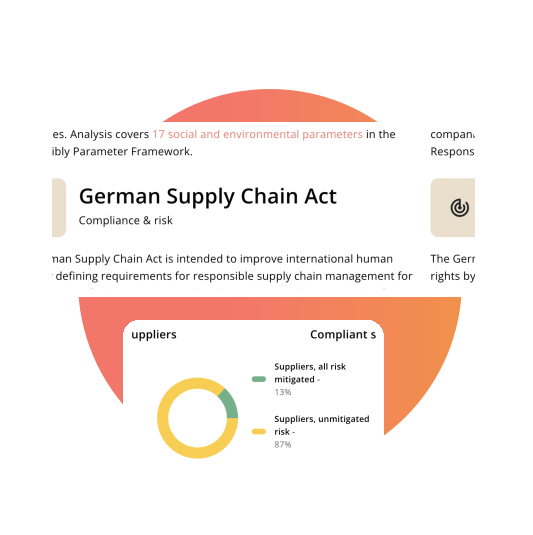
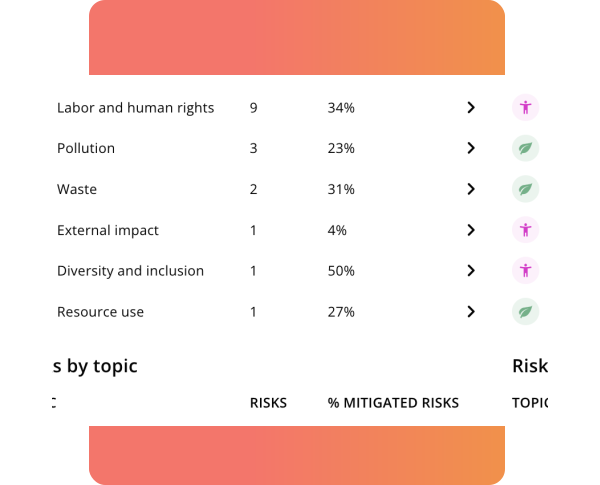
Most supply chain compliance legislations are rooted in risk management and analysis. This is for the simple reason that the different pieces of legislation typically cover a wider variety of topics that are not relevant for every supplier.

Our risk module is tailored for several legislative acts, and helps you stay on top of the relevant ESG risks of every supplier.
Risk Analysis
Supplier Data Analysis

SUPPLIER DATA ANALYSIS TO UNDERSTAND WHAT MITIGATES

Supplier due diligence tailored to assess compliance

Once risk has been identified, the work starts to mitigate that risk. Our outside-in due diligence and our supplier engagements are both tailored to understand when a risk has been mitigated and a supplier is compliant, and when corrective action is needed.

ENGAGE THE SUPPLIER ON CORRECTIVE ACTIONS

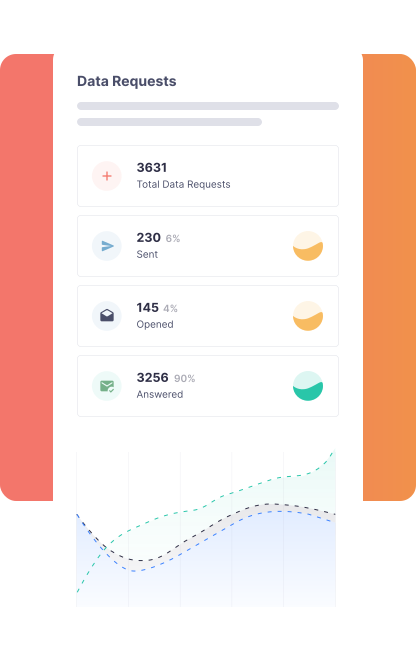
Automated engagement for corrective actions

Leverage Responsibly's supplier engagement module to start guiding the supplier on corrective actions, and track improvements over time. We help you both automate the interaction and access intelligence to drive the engagement appropriately for the scope of compliance legislation.
Engage the Supplier on Corrective Actions
Report

REPORT

Output the data for reporting

Access pre-set compliance-specific reports to quickly output data collected in Responsibly for annual compliance reporting.

Start evaluating your suppliers on sustainability today

Talk with an expert